
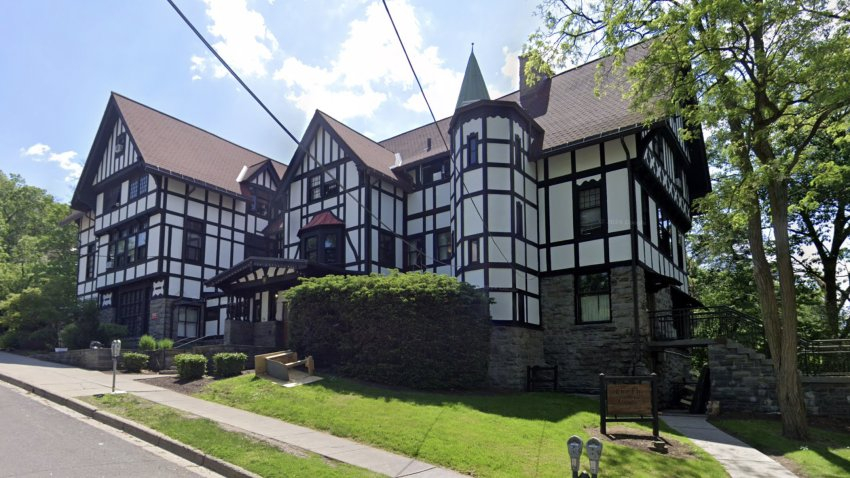
A 101-page civil lawsuit alleging that seven Cornell University fraternity brothers drugged and gang-raped a female student over several hours has triggered a federal criminal investigation, a special prosecutor appointment, national protests, and an ongoing debate about consent, institutional accountability, and the limits of the #MeToo movement.
The case, which centers on an alleged October 19, 2024 incident at the Chi Phi fraternity house in Ithaca, New York, exploded into public view in September 2026 after the woman known as Jane Doe filed a lawsuit against the seven men, the university, the fraternity, and other parties. The defendants have denied the allegations, and no criminal charges have been filed. But the fallout has already cost one man his job, prompted New York Governor Kathy Hochul to strip the local district attorney of the case, and reignited a fierce national argument about whether the accused men are perpetrators or victims of a rush to judgment.
What Are the Allegations?
According to the lawsuit, Jane Doe, then a 20-year-old junior and member of the Tri-Delta sorority, had been drinking with her sorority and at a nightclub before arriving at the Chi Phi fraternity house around 11 p.m. The suit states she was visibly intoxicated, having consumed about 10 standard drinks in three hours.
At the fraternity house, she was allegedly given a beer, and a fraternity member she was attracted to proposed a threesome. She was too intoxicated to consent, the suit claims. The men took her upstairs, pressured her to snort ketamine, a powerful tranquilizer she had never used, and plied her with cannabis and rum before engaging in sexual acts, according to the filing.
As the night progressed, the lawsuit alleges that one of the men sent a Snapchat message to the fraternity’s active-member group claiming there was “free pussy” upstairs. Screenshots included in the suit show responses like “like you can walk in and whip it out” and “CHI PHIII”.
The suit further alleges that multiple other fraternity members entered the room, that one man put ketamine on his erect penis and told her to snort it, and that men snorted the drug off her naked body. Two men then took her to another room, where she was allegedly assaulted again. The incident reportedly ended around 5:45 a.m. on October 20.
She reported the incident to Cornell University Police on November 8, 2024.
Who Are the Cornell 7?
The seven men named in the lawsuit are Matthew Ingalls, Johnathan Newell, Winston Lee, Gillio Lopes, Diego Sarabia, Scott Norris, and Scott Kretzschmar. They were members of the Chi Phi fraternity chapter at Cornell at the time of the alleged incident.
In the aftermath of the lawsuit, Toby Morton, a former South Park writer, launched a website publishing materials related to the case and said he was tracking down where the men work. One of the accused, Diego Sarabia, was fired from his job at Wells Fargo after the allegations surfaced, according to reports. Matthew Ingalls was employed at an AI firm, which issued a statement amid the backlash.
Attorneys for some of the accused men have pushed back forcefully. Jeremy Saland, representing Scott Kretzschmar, invoked the Duke lacrosse scandal and warned against “wrongful assumptions and inflammatory rhetoric,” saying that “unless [people] believe that facts do not matter, and the presumption of guilt supersedes that of innocence,” the public should let the legal process unfold.
The Conflicting Accounts
A central and deeply contested issue in the case is the significant difference between Jane Doe’s initial statement to campus police in November 2024 and the allegations in her civil lawsuit filed nearly two years later.
Tompkins County District Attorney Matthew Van Houten, who initially declined to file charges, said the six-page sworn statement Doe gave to campus police described her participation in drug use and sexual conduct as “voluntary, conscious, and consensual”. According to the DA’s summary, she described herself as a “5 out of 10” on intoxication when she arrived at the fraternity house, agreed to take ketamine voluntarily, and said that when she told the men to stop, they did.
“He’s argued that even the Snapchat message promising ‘free pussy’ is ‘not relevant to the issue of whether Jane Doe consented to what was happening,’” Van Houten said.
Doe’s attorney, Thomas Giuffra, fiercely disputes the DA’s characterization. He maintains that her police report was “not materially different” from the lawsuit and that she was never interviewed by anyone trained in sexual assault trauma. He said she only kept taking ketamine so she could “pass out” and escape the ordeal, quoting her statement: “My thought was that if I passed out and these men had sex with me, then they could be charged with rape”.
Giuffra also said Doe gave campus police the Snapchat messages in 2024, contradicting Van Houten’s claim that prosecutors were never given that evidence.
The Institutional Response and Fallout
The lawsuit alleges that the accused men faced only temporary suspensions and were allowed to “mitigate their conduct by submitting essays.” Cornell denies this, stating that its Title IX investigation involved multiple days of hearings and resulted in sanctions including suspensions and expulsions. The university also said the Chi Phi chapter was closed in 2024 and remains barred from campus.
The case has triggered a wave of public outrage. Cornell alumni threatened to stop donating, and some prospective students publicly turned down their acceptances. Actress Florence Pugh shared an Instagram post saying the allegations left her feeling “uneasy and sick and anxious,” and Representative Alexandria Ocasio-Cortez traveled to Ithaca to condemn what she called a “culture of rape” protected at elite institutions.
On October 1, Governor Kathy Hochul announced she was appointing the state attorney general as a special prosecutor, removing Van Houten from overseeing the case. “New information has raised serious questions about how this case was handled, and I’ve lost faith in the Tompkins County DA’s ability to fairly oversee it,” Hochul said.
Van Houten had already reopened the investigation and said he intended to present the case to a grand jury, acknowledging that his office relied on campus police and did not independently investigate the initial claims.
What Comes Next
The special prosecutor investigation is now underway. The attorney general will determine whether to bring criminal charges and present evidence to a grand jury.
For Jane Doe, her attorney says she has dropped out of Cornell and remains consumed by trauma nearly two years later. “She is basically stalled, and her life is devoted to dealing with the trauma,” Giuffra said. “It’s like a constant, constant reminder”.
For the seven men, the legal and reputational battles are ongoing. No criminal charges have been filed, and they are presumed innocent. But the court of public opinion has already rendered its verdict in many corners, and the case has become a flashpoint in a broader cultural war over campus sexual assault, due process, and who gets believed.
As Sarah Klein, a civil attorney specializing in sexual abuse cases, put it: “The Cornell case raises questions that go far beyond the alleged sexual assault itself”.
Leave a Reply