
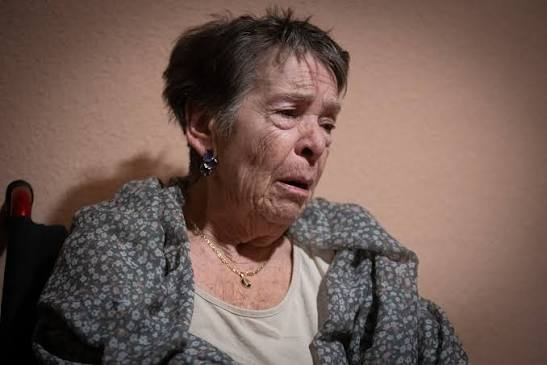
María del Carmen Abascal was evicted from her Madrid apartment on September 23, 2026, after 70 years of living there. The 87-year-old was carried out on a stretcher. But less than a week later, her lawyer confirmed she will be allowed to return home.
The eviction of Abascal, known to her supporters as “Maricarmen,” triggered the largest housing protests Spain has seen since the indignados movement of 2011. Tens of thousands marched in Madrid. Protesters camped overnight in Puerta del Sol. And Prime Minister Pedro Sánchez, speaking at the United Nations, was forced to address the case directly.
This is the story of how one woman’s eviction became a national crisis.
Who Is María del Carmen Abascal?
Abascal is an 87-year-old wheelchair user who lived in a rent-controlled apartment in Madrid’s upscale Retiro neighborhood for more than seven decades. Her father first rented the property in 1956. She continued as the tenant after her parents died, paying just €500 a month thanks to a legacy rent-control contract.
She was described by her lawyer as “a woman who has lived and suffered” through years of legal battles. In a video recorded from her hospital bed after the eviction, she said: “I haven’t managed to defend my home, but I have fought so that others can learn to fight for what’s theirs.”
The Eviction That Shocked Spain
On the morning of September 23, more than 200 National Police officers arrived at Abascal’s building. Activists had barricaded themselves outside to try to stop the eviction. Police broke down the door. Abascal was carried out on a stretcher, suffering from exhaustion and an anxiety attack, and taken to Gregorio Marañón Hospital.
She was still in the hospital days later.
The images spread across Spain. “Everyone is Maricarmen” became a rallying cry.
Why It Happened: The Rent Hike She Couldn’t Pay
The building changed ownership in 2018. Urbagestión, an investment fund, bought the unit and raised Abascal’s monthly rent from €500 to €2,650, a 275% increase. They later offered to reduce it to €1,650, but that was still more than her monthly pension of roughly €1,350.
Spanish courts, including the Supreme Court in March 2026, ruled that her inherited rent-controlled contract had legally expired. Three previous eviction attempts were blocked. The fourth succeeded.
The Protests That Followed
The eviction ignited a firestorm. Tens of thousands marched through Madrid on Saturday, September 26. Many refused to leave, pitching tents in Puerta del Sol for a second night of protests.
Demonstrators demanded stronger tenant protections, a ban on evictions without alternative housing, and action against what they call fondos buitre, “vulture funds.”
The protests evoked the indignados movement of 2011, which also began with outrage over evictions. But political scientist Estefania Molina noted the stakes had shifted: “In 2011, people protested because they couldn’t buy an apartment. Today, the protest is about not being able to rent a room in someone else’s home.”
The Political Fallout
The eviction landed while Sánchez was at the UN General Assembly, presenting Spain as a “standard-bearer of humane liberalism.” Instead, the first question he faced at a press conference was about Abascal.
Sánchez called it a “social tragedy” and blamed conservative Madrid regional leader Isabel Díaz Ayuso. Ayuso dismissed it as “one of the 25,500 evictions that happen every year.”
Sánchez promised a Royal Decree on housing at Tuesday’s cabinet meeting and asked Parliament to validate it “for Maricarmen.”
The Reversal: She Can Go Home
On September 28, Abascal’s lawyer, Beatriz Duro, announced that an agreement had been reached. Abascal will return to her apartment after leaving the hospital, paying a rent “similar to what she paid before,” meaning the crippling increase will be avoided.
Duro called it “the result of the social mobilization” and said she hoped it would help “change the paradigm” for housing in Spain.
The agreement had not yet been signed as of Monday. Abascal, still recovering from exhaustion, will sign when she feels better.
The Bottom Line
María del Carmen Abascal will return to the apartment she has called home for 70 years. But her case exposed something far bigger than one eviction. Spain is short an estimated 700,000 homes. Rents are soaring. And a pensioner paying €500 a month in a rent-controlled flat became the symbol of a crisis that has now reached the highest levels of government.
As Abascal said from her hospital bed: “I haven’t managed to defend my home, but I have fought so that others can learn to fight for theirs.”
Leave a Reply